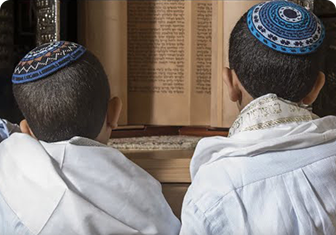
Comprehensive Report In front of the Western Wall in Jerusalem, in religious communities in Tel Aviv, or in synagogues around the world, a small round cap with a diameter of only about ten centimeters can always easily attract people’s attention. This headdress, known as “Kippah” in Hebrew and also often referred to as “Yarmulke”, is not only an iconic attire for Jewish men, but also carries the thousand-year-old religious heritage, historical vicissitudes and identity of this nation. The origin of the kippah can be traced back to the Talmudic era in the 2nd century AD. Its core meaning stems from the Jewish doctrine of “revering God” — it is believed that the sky and God are above one’s head, and one should not face them with a bare head; a cap is needed to separate them as a sign of humility and respect. Initially, wearing a turban or cap was only a voluntary act of devout believers, but with the evolution of history, it gradually became a common custom for Jewish men. During the Middle Ages, Jews scattered in Europe suffered discrimination and persecution and were prohibited from wearing traditional turbans. They then transformed foreign-style hats into small kippahs, which not only upheld their national beliefs but also adapted to the living environment. Since then, this costume has become an important symbol of Jewish national identity. Today, the style, color and material of the kippah have become a “hidden code” to distinguish Jewish sects and political stances. In Israel, darker-colored kippahs usually represent more devout faith; black and dark blue are common choices for Orthodox Jews; ultra-Orthodox sects such as Hasidim prefer large black felt hats or satin caps; while colored woven kippahs are mostly associated with the Zionist camp. Jews in Bukhara, the Caucasus and other regions still retain the custom of wearing large, brightly colored woven kippahs. Due to the small and light weight of the cap, wearers often need to fix it with hairpins; bald men even use tape or magnets to ensure it does not fall off. These details of adhering to tradition are touching.